
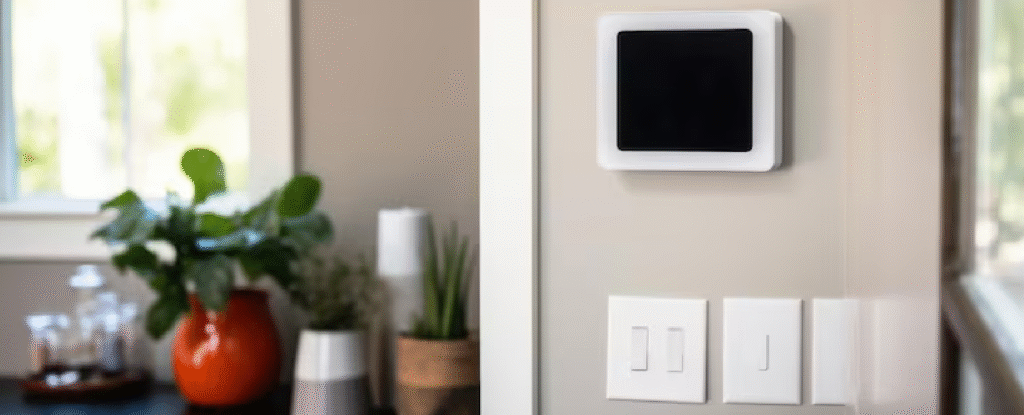
⚡ Understanding Fire-Retardant Switches
Fire-retardant switches are manufactured using flame-resistant materials, usually high-grade polycarbonate or engineered plastics. These materials are designed to:
- Withstand high temperatures
- Prevent ignition
- Slow down or stop the spread of fire
Unlike ordinary switches, fire-retardant switches do not melt, drip, or propagate flames when exposed to heat or electrical faults.
🚨 The Growing Risk of Electrical Fires
Electrical fires are commonly caused by:
- Short circuits
- Overloading
- Loose connections
- Inferior quality switchgear
- Aging or non-certified electrical components
In modern homes, where multiple appliances often run simultaneously, the electrical system is under constant load. Without fire-retardant components, even a small fault can escalate into a major hazard.
🛡️ Key Reasons Fire-Retardant Switches Are Essentia
1. Enhanced Fire Safety
Fire-retardant switches are engineered to resist flames and high heat, reducing the chances of fire spreading through walls and wiring. This extra protection can be the difference between a minor incident and a major disaster.
2. Protection Against Short Circuits & Overheating
During a short circuit or overload, switches can heat up rapidly. Fire-retardant materials:
- Do not ignite easily
- Maintain structural integrity
- Prevent sparks from turning into open flames
This makes them ideal for kitchens, AC points, geysers, and high-load areas.
3. Safer Homes for Families
Homes with children and elderly residents require higher safety standards. Fire-retardant switches:
- Reduce the risk of accidental fires
- Provide peace of mind during unattended operation
- Work effectively even in continuous-use environments
4. Compliance With Modern Safety Standards
Most fire-retardant switches comply with:
- ISI standards
- International fire-safety norms
- Flame-resistance ratings (such as UL-94 V0)
Using certified fire-retardant switchgear ensures your home meets modern electrical safety regulations.
5. Long-Term Durability
Fire-retardant materials are not only safer but also more durable. They resist:
- Heat deformation
- Cracking
- Discoloration
This ensures the switches remain functional and visually intact for years.
6. Essential for High-Load & Smart Homes
Modern homes often include:
- Smart switches
- Automation systems
- High-wattage appliances
Fire-retardant switches are designed to handle higher electrical stress, making them ideal for future-ready and smart homes.